How AI and Robotics Are Transforming Farm Machinery in 2025
How AI and Robotics Are Transforming Farm Machinery in 2025
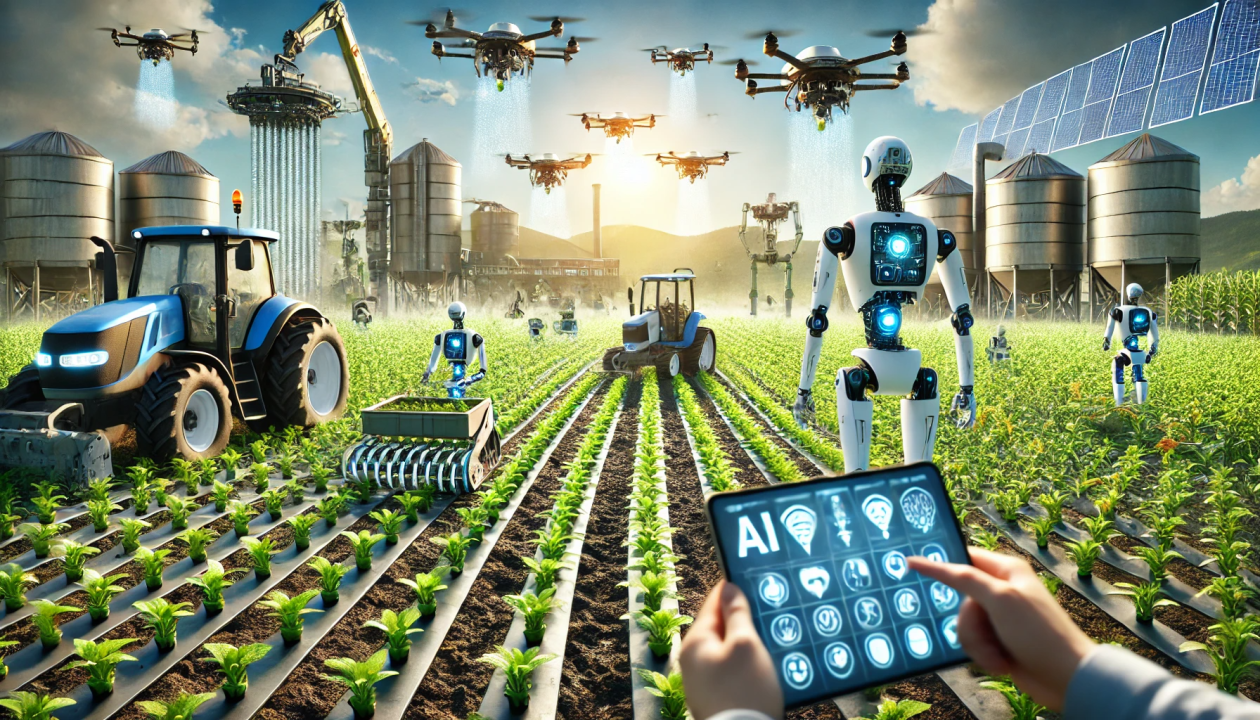
The agricultural industry is undergoing a massive transformation in 2025, driven by cutting-edge advancements in Artificial Intelligence (AI) and robotics. What once seemed like science fiction is now a growing reality on farms around the world. From autonomous tractors to AI-powered crop monitoring systems, farm machinery is becoming smarter, more efficient, and increasingly autonomous.
In this article, we explore how AI and robotics are revolutionizing modern farming, the benefits of these technologies, and what farmers need to know to stay ahead in this rapidly evolving field.
1. Autonomous Tractors and Harvesters
One of the most groundbreaking changes in 2025 is the widespread adoption of autonomous tractors and robotic harvesters. These machines are equipped with AI algorithms, GPS, and sensor systems that allow them to operate without human intervention. Farmers can now program these tractors to plow, plant, and harvest fields with pinpoint accuracy, saving hours of manual labor and reducing fuel costs.
Key Features:
-
Self-navigation using real-time kinematic (RTK) GPS
-
Object detection for safety
-
Remote monitoring via smartphone or computer
-
Cloud-based performance analytics
Brands like John Deere, Kubota, and CNH Industrial have unveiled next-generation autonomous tractors capable of working 24/7 with minimal oversight.
2. AI-Powered Crop Monitoring Systems
Modern farm equipment now includes AI-driven sensors and cameras that assess crop health in real time. Mounted on drones, tractors, or irrigation systems, these smart tools collect and analyze data on:
-
Soil moisture
-
Nutrient levels
-
Pest activity
-
Plant stress
By identifying issues early, farmers can take action before problems affect yield. Some systems even provide prescriptive insights, suggesting exactly how much water, fertilizer, or pesticide to apply—optimizing resources and reducing environmental impact.
3. Robotic Weed Control and Precision Spraying
Traditional chemical spraying is being replaced by robotic precision sprayers that use AI to identify and target only the weeds, leaving the crops unharmed. Robots like Blue River Technology’s See & Spray™ can reduce herbicide use by up to 90%.
Benefits:
-
Less chemical waste
-
Lower environmental footprint
-
Improved crop safety
-
Cost-effective operations
This level of precision is only possible due to advanced image recognition and machine learning models trained to distinguish crops from invasive weeds.
4. Smart Irrigation with AI Algorithms
AI-powered irrigation systems are revolutionizing water management. These systems analyze weather forecasts, soil data, and crop needs to deliver just the right amount of water at the right time. Farmers can now achieve optimal crop growth while conserving water—a critical issue in regions facing drought.
Example:
-
AI platforms like CropX and Teralytic offer real-time soil analytics
-
Integration with IoT sensors for real-time moisture monitoring
-
Watering schedules optimized automatically via machine learning
5. Swarm Robotics in Farming
One of the most futuristic developments in 2025 is the use of swarm robotics—multiple small autonomous machines working collaboratively. These micro-robots can handle tasks like seeding, soil analysis, or even pest removal. Their advantage lies in:
-
Scalability
-
Minimal soil compaction
-
Energy efficiency
Swarm robotics are currently being piloted on large-scale farms and are showing promising results in reducing operational costs and increasing productivity.
6. Data-Driven Farm Management Systems
Farmers now have access to AI-integrated farm management platforms that consolidate data from machinery, weather stations, sensors, and satellite imagery. These platforms offer:
-
Predictive analytics for crop yields
-
Financial planning tools
-
Equipment performance dashboards
-
Alerts and anomaly detection
Examples include Climate FieldView, Trimble Ag Software, and John Deere Operations Center. These platforms enable more informed decision-making and improve long-term planning.
7. AI-Assisted Livestock Monitoring
It’s not just crops that are benefitting from AI. Livestock farms are now deploying AI-powered systems to monitor animal health, behavior, and feeding patterns. Wearable devices and smart cameras can detect signs of disease, stress, or irregular feeding—allowing for early intervention and better herd management.
8. Predictive Maintenance of Machinery
Farm equipment in 2025 is smarter than ever—not just in how it works, but in how it maintains itself. Through AI, machinery can now predict mechanical failures before they occur. Sensors track engine performance, oil quality, and part wear, sending alerts when maintenance is due.
Advantages:
-
Minimizes costly downtime
-
Extends machinery lifespan
-
Prevents unexpected breakdowns during peak seasons
9. Human-Machine Collaboration
Rather than replacing farmers, AI and robotics are becoming powerful collaborators. Operators can now train machines, oversee their performance, and make higher-level decisions based on AI insights. This synergy enhances productivity and allows for more sustainable farming practices.
10. Sustainability and Regulatory Compliance
AI helps farms meet increasingly strict environmental and food safety regulations. From reducing chemical usage to documenting every step of production, smart machinery ensures compliance with local and global standards. Sustainability certifications are easier to achieve with AI-generated data logs and usage reports.
The Road Ahead
As 2025 progresses, the integration of AI and robotics in agriculture is expected to deepen even further. Key areas to watch include:
-
AI-powered seed breeding
-
Carbon footprint tracking
-
Fully autonomous supply chains
-
Machine-to-machine communication via 5G
While initial investments in AI-based farm machinery can be high, the long-term returns—through reduced labor, higher yields, and better resource management—are proving worthwhile.
Final Thoughts
AI and robotics are not just futuristic buzzwords—they’re today’s reality on progressive farms across the globe. In 2025, embracing these technologies is no longer optional but essential for any farmer who wants to stay competitive, profitable, and sustainable. The machines are smarter, the data is richer, and the potential is unprecedented.