elematics in Agriculture: Tracking and Optimizing Your Equipment Fleet
In modern farming, efficiency and precision are everything. Telematics technology is rapidly becoming the backbone of smart farm management by enabling real-time tracking, monitoring, and optimization of agricultural equipment fleets. From tractors and harvesters to irrigation pumps and drones, telematics solutions provide actionable insights that save time, reduce costs, and boost productivity.
Let’s explore how telematics is transforming agricultural equipment management in 2025 and why it’s a must-have tool for forward-thinking farmers.
What Is Telematics in Agriculture?
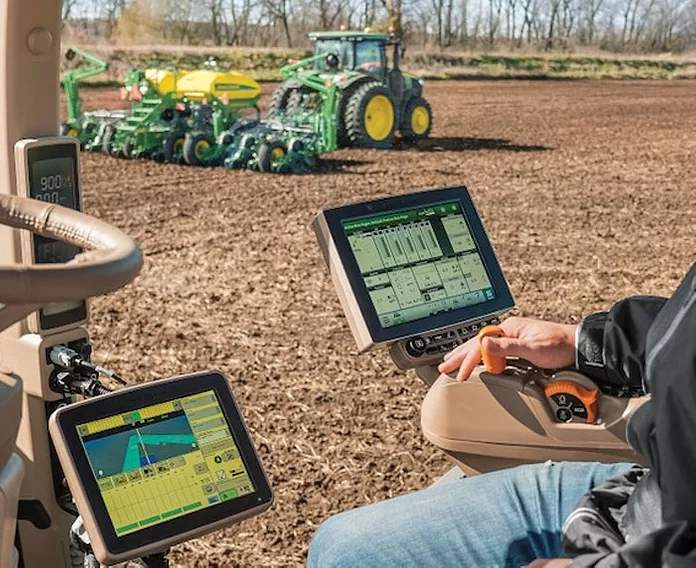
Telematics combines GPS, onboard diagnostics, sensors, and wireless communication to collect and transmit data from farm equipment. This data includes location, fuel consumption, engine hours, maintenance alerts, and operational status. Cloud-based platforms analyze this data, offering farmers dashboards and mobile apps to monitor and manage their machinery fleet remotely.
Key Benefits of Agricultural Telematics
1. Real-Time Location Tracking
Track tractors, combines, and other machines in real time across large farms. This helps optimize equipment usage, prevent theft, and coordinate logistics efficiently.
2. Preventive Maintenance Alerts
Receive early warnings on engine performance, oil levels, hydraulic pressure, and component wear. Timely maintenance reduces downtime and repair costs.
3. Fuel Usage Monitoring
Monitor fuel consumption per machine or task to identify inefficiencies and reduce operational expenses.
4. Operator Behavior Analysis
Evaluate how equipment is operated—speed, idling times, and harsh braking—to improve operator training and reduce wear and tear.
5. Fleet Utilization Optimization
Understand which machines are under or over-utilized, enabling better asset allocation and purchasing decisions.
Latest Innovations in Agricultural Telematics (2025)
-
AI-Powered Predictive Analytics: Modern platforms use AI to forecast maintenance needs and potential failures before they occur, based on historical and live data trends.
-
Integration with Precision Farming Tools: Telematics now integrates with yield monitors, soil sensors, and weather stations to correlate machine data with agronomic performance.
-
Mobile-First Interfaces: User-friendly apps allow farmers to receive alerts, view reports, and control settings on the go.
-
Edge Computing: Onboard processing reduces latency for critical alerts, ensuring faster response times.
-
Interoperability Standards: New standards enable telematics systems from different brands to communicate seamlessly, helping farmers manage mixed fleets.
Practical Use Cases of Telematics in Agriculture
-
Maximizing Harvest Efficiency: Monitor combine performance and grain tank levels to schedule unloading precisely, reducing field downtime.
-
Fuel Cost Management: Identify fuel-hungry equipment or inefficient routes and adjust operations to save costs.
-
Theft Prevention: Geofencing alerts notify farmers instantly if equipment leaves designated zones.
-
Labor Management: Track operator shifts and machine usage to optimize workforce deployment.
-
Sustainability Reporting: Use detailed equipment data to quantify fuel savings and emissions reductions for sustainability certification.
How to Implement Telematics for Your Farm Fleet
-
Assess Your Fleet Size and Needs: Determine which machines will benefit most from telematics based on usage, value, and criticality.
-
Choose Compatible Systems: Select telematics providers that support your equipment brands and offer scalable solutions.
-
Train Operators and Staff: Ensure everyone understands how to use the telematics tools and respond to alerts.
-
Set Clear KPIs: Define metrics like fuel efficiency, utilization rates, and downtime reduction to measure success.
-
Review Data Regularly: Use dashboards and reports to continuously optimize equipment deployment and maintenance.
Challenges and Considerations
-
Connectivity in Rural Areas: Reliable cellular or satellite coverage is essential for real-time data transmission.
-
Data Privacy and Security: Protecting sensitive operational data with encryption and access controls is critical.
-
Initial Investment: While telematics reduces costs long-term, upfront equipment retrofitting or subscription fees require budgeting.
-
Change Management: Integrating new tech into farm workflows demands ongoing support and training.
🚀 Final Thoughts
Telematics is no longer just a luxury—it’s a necessity for modern farm equipment management. By embracing this technology, farmers unlock significant savings, improved asset longevity, and enhanced operational control. As 5G and AI continue to mature, telematics platforms will become even smarter, driving the next wave of agricultural productivity.
Ready to start tracking and optimizing your farm fleet with telematics? I can help you evaluate solutions tailored to your operation size and goals.