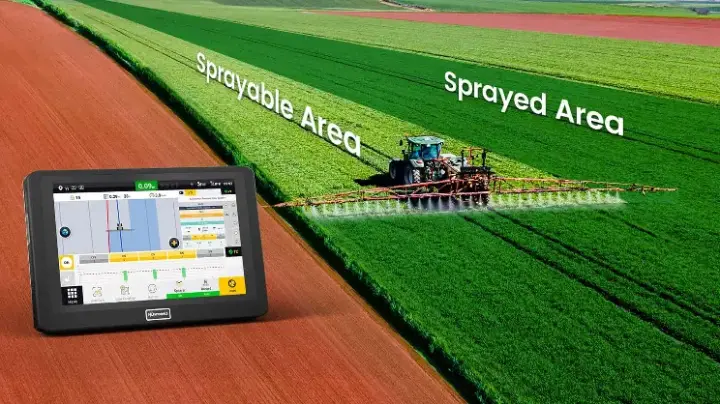
Upgrading Your Farm with Smart GPS-Enabled Equipment
Farming in 2025 is smarter and more efficient than ever, thanks to advancements in GPS-enabled equipment. These technologies allow farmers to precisely control planting, fertilizing, spraying, and harvesting—reducing waste, boosting yields, and cutting costs.
If you’re considering upgrading your farm equipment, understanding how GPS-enabled systems work and their benefits can help you make informed decisions to optimize your operations.
What Is GPS-Enabled Farm Equipment?
GPS-enabled farm machinery uses satellite positioning to provide real-time location data. This data is integrated with onboard computers to automate tasks and guide equipment with high accuracy—sometimes within centimeters. Common GPS-enabled equipment includes tractors, planters, sprayers, harvesters, and even drones.
Key Benefits of GPS-Enabled Equipment on the Farm
1. Precision Planting and Seeding
GPS technology helps operators plant seeds in exact rows and depths, minimizing overlap and gaps. This precision leads to better seed utilization and improved crop uniformity.
2. Optimized Fertilizer and Pesticide Application
Variable-rate technology (VRT) uses GPS data to apply fertilizers and pesticides only where needed—saving inputs and reducing environmental impact.
3. Reduced Fuel Consumption
Accurate guidance reduces unnecessary passes over fields, lowering fuel use and machinery wear.
4. Improved Harvesting Efficiency
GPS-enabled harvesters track yield data and adjust harvesting paths, maximizing throughput and reducing crop loss.
5. Enhanced Field Mapping and Data Collection
Detailed maps generated during field operations provide valuable insights for crop management and future planning.
Popular GPS-Enabled Equipment in 2025
-
Auto-Steer Tractors: Automatically follow pre-set field paths, reducing operator fatigue.
-
Guided Planters and Seeders: Ensure consistent seed placement with real-time adjustments.
-
Variable-Rate Sprayers: Apply inputs precisely based on soil and crop conditions.
-
Yield Monitoring Combines: Collect yield and moisture data during harvest.
-
Drones with GPS: Provide aerial field scans, pest monitoring, and crop health analysis.
How to Upgrade Your Farm with GPS Technology
-
Evaluate Your Current Equipment: Identify machines that can be retrofitted with GPS kits or need replacement.
-
Choose the Right GPS System: Consider accuracy needs—standard GPS (~3 meters) or RTK GPS (~2 cm).
-
Train Operators: Proper training maximizes the benefits of GPS-enabled tools.
-
Integrate with Farm Management Software: Combine GPS data with other farm data for holistic management.
-
Monitor and Maintain: Regularly update software and calibrate equipment for optimal performance.
Challenges to Consider
-
Initial Costs: GPS-enabled equipment and software can be expensive upfront.
-
Connectivity: Reliable internet or satellite connectivity is essential for some advanced features.
-
Technical Support: Access to skilled technicians and support services is important.
-
Data Security: Protecting sensitive farm data is crucial.
🚀 Final Thoughts
Smart GPS-enabled equipment is a game changer for modern agriculture, delivering unmatched precision, efficiency, and sustainability. By upgrading your farm with these technologies, you’ll be well-positioned to boost productivity and profitability in 2025 and beyond.
Need help selecting the right GPS solutions or planning your upgrade? I’m here to assist!