

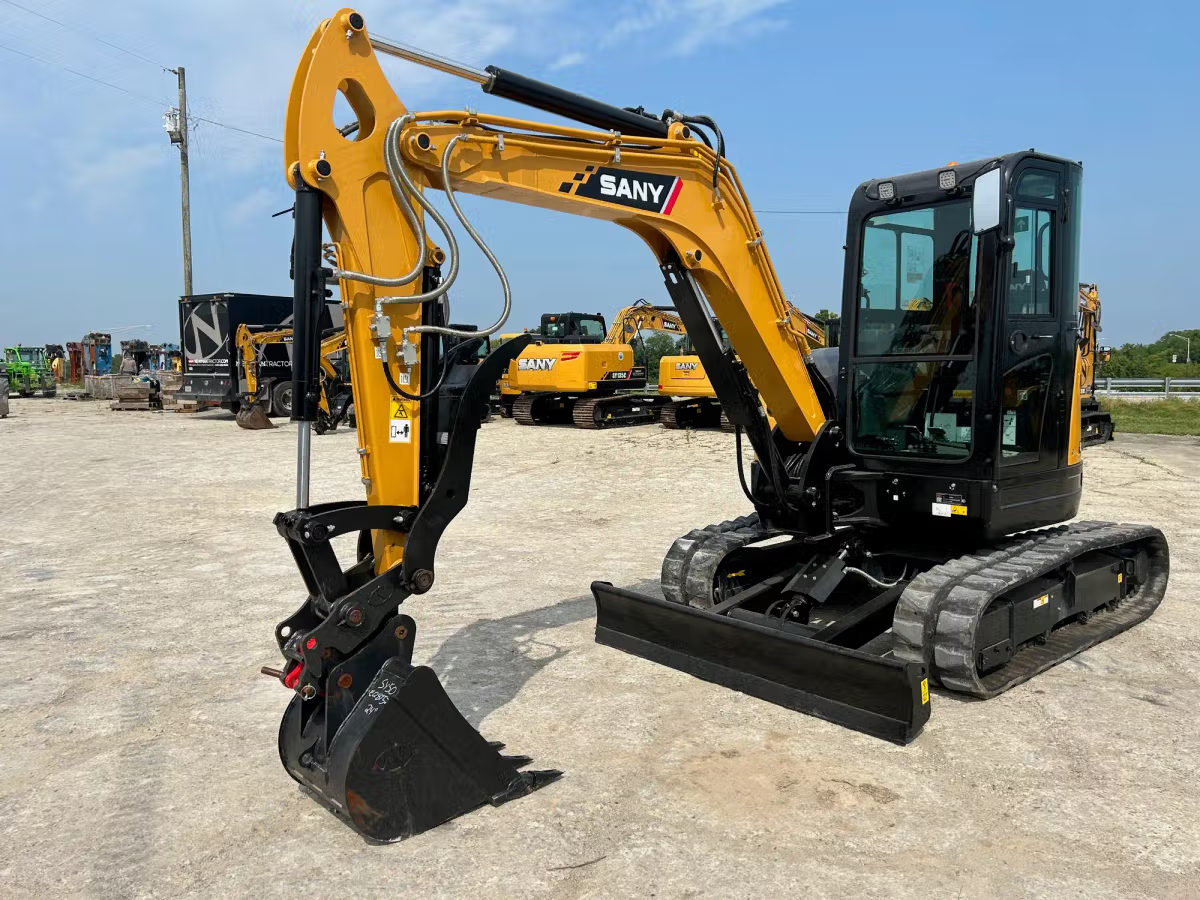
Disel CRAWEL Excavator
📢 Heavy Equipment Sale Now On!
We’re offering high-quality heavy equipment — both new and used — at unbeatable prices! 🚜 All products are carefully inspected and ready for fast, reliable shipping.
🛠️ Please specify if you prefer new or used equipment when placing your order.
📦 Shop with confidence — quality and service guaranteed!
Description
Diesel Crawler Excavator: Powerful, Durable, and Built for Tough Terrain
When heavy-duty digging, lifting, and earthmoving meet challenging terrain, a Diesel Crawler Excavator is the machine that delivers unmatched performance and reliability. Designed to operate on rough, uneven, or soft ground, diesel crawler excavators are essential in construction, mining, forestry, and agricultural projects where strength and stability are paramount.
This detailed guide walks you through the features, specifications, and common applications of diesel crawler excavators — empowering you to choose the right machine for your toughest jobs.
What Is a Diesel Crawler Excavator?
A diesel crawler excavator is a tracked hydraulic machine powered by a diesel engine. Unlike wheeled excavators, crawler excavators use continuous steel or rubber tracks that distribute the machine’s weight evenly, enabling superior traction and stability on rough, muddy, or uneven surfaces.
Powered by robust diesel engines, these excavators offer powerful digging and lifting capabilities and can be equipped with various attachments such as buckets, breakers, grapples, and augers to handle a wide variety of tasks.
Key Specifications of Diesel Crawler Excavators
Diesel crawler excavators come in various sizes, from mini versions weighing around 1 ton to massive machines exceeding 90 tons. Below are common specifications for mid-sized models widely used in general construction:
1. Operating Weight
-
Typically ranges from 5,000 kg (11,000 lbs) up to 90,000 kg (198,000 lbs) for heavy-duty models.
-
Select the weight class based on your job site needs and transport capabilities.
2. Engine Power
-
Diesel engines delivering from 50 HP to over 700 HP.
-
Modern engines comply with strict emission standards while maximizing fuel efficiency.
3. Digging Depth
-
Digging depths vary widely, from around 3 meters (10 feet) on smaller models to over 10 meters (33 feet) on large excavators.
-
Deeper digging requires more powerful machines.
4. Bucket Capacity
-
Buckets range in size from 0.1 cubic meters on mini excavators to 8 cubic meters or more on large machines.
-
Choose bucket size depending on the material and task.
5. Track Type
-
Steel crawler tracks are standard for maximum durability and traction.
-
Some models offer rubber track options for sensitive surfaces.
6. Hydraulic System
-
High-pressure hydraulic systems allow smooth and powerful boom, arm, and attachment movement.
-
Auxiliary hydraulic circuits support a variety of attachments.
7. Swing Radius
-
Full 360-degree swing radius enables work around obstacles without repositioning the machine.
8. Operator Cabin
-
ROPS/FOPS certified cabins with ergonomic seats, climate control, and advanced control systems.
-
Visibility is optimized with large windows and camera systems.
Common Uses of Diesel Crawler Excavators
Diesel crawler excavators are the workhorses of many industries due to their versatility and durability. Here’s where they excel:
1. Construction and Infrastructure
Excavating foundations, trenches, and drainage systems; lifting and placing heavy materials; site grading and clearing.
2. Mining and Quarrying
Digging, loading, and transporting mined materials; clearing overburden; loading trucks efficiently.
3. Forestry
Land clearing, stump removal, and loading logs with grapple attachments.
4. Agriculture
Digging irrigation ditches, pond construction, and clearing farmland.
5. Demolition
Breaking down buildings and structures using hydraulic breakers and shears.
6. Environmental and Disaster Response
Clearing debris, constructing barriers, and other emergency operations.
Advantages of Diesel Crawler Excavators
-
Exceptional Traction: Tracks provide superior grip on mud, sand, snow, and uneven terrain.
-
Stability: Wide base reduces tipping risk during heavy lifting or digging.
-
Powerful Performance: Diesel engines offer high torque and reliability for demanding tasks.
-
Attachment Flexibility: Support for multiple hydraulic attachments increases functionality.
-
All-Weather Operation: Built to operate efficiently in harsh weather and environments.
-
Long Reach and Depth: Can handle deep excavation and reach distant spots without repositioning.
Choosing the Right Diesel Crawler Excavator
Consider these factors when selecting your crawler excavator:
-
Project Scale: Match the machine size and power to the scope of your projects.
-
Terrain: For soft or uneven ground, choose models with wider tracks for better floatation.
-
Attachments: Ensure compatibility with the attachments your work requires.
-
Fuel Efficiency: Look for engines with modern emissions technology to reduce fuel costs.
-
Transport Logistics: Large excavators require special transport planning.
-
Operator Comfort: Features like climate control and ergonomic controls improve productivity.
Maintenance Tips for Diesel Crawler Excavators
To keep your diesel crawler excavator running at peak performance:
-
Perform regular engine oil and filter changes.
-
Inspect and maintain the undercarriage and track tension.
-
Check hydraulic fluid levels and look for leaks.
-
Clean cooling systems to prevent overheating.
-
Lubricate all pivot points regularly.
-
Inspect attachments for wear and tear.
-
Store in covered areas when not in use.
Final Thoughts
Diesel crawler excavators are indispensable machines that combine power, stability, and versatility to get the toughest jobs done efficiently. From heavy construction and mining to agriculture and environmental work, these machines are engineered to deliver reliable, all-terrain performance.
Investing in the right diesel crawler excavator tailored to your specific needs ensures long-term productivity and durability, making it a cornerstone of your heavy equipment fleet.


