
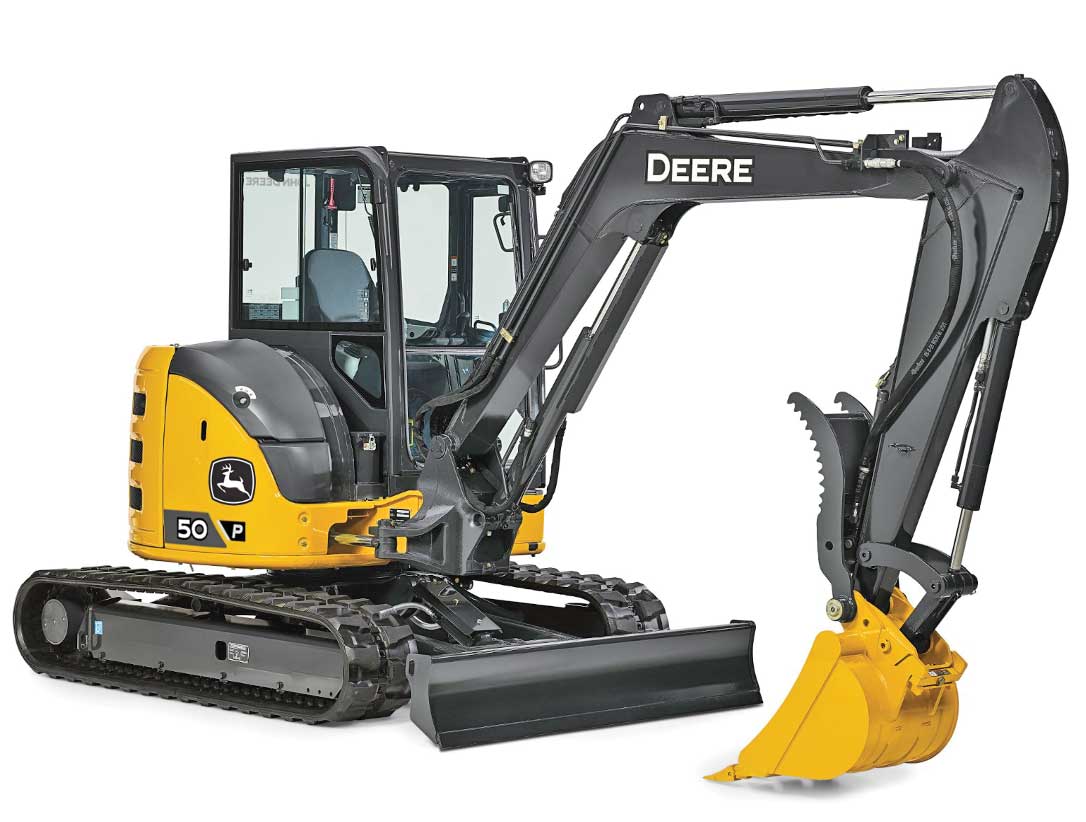
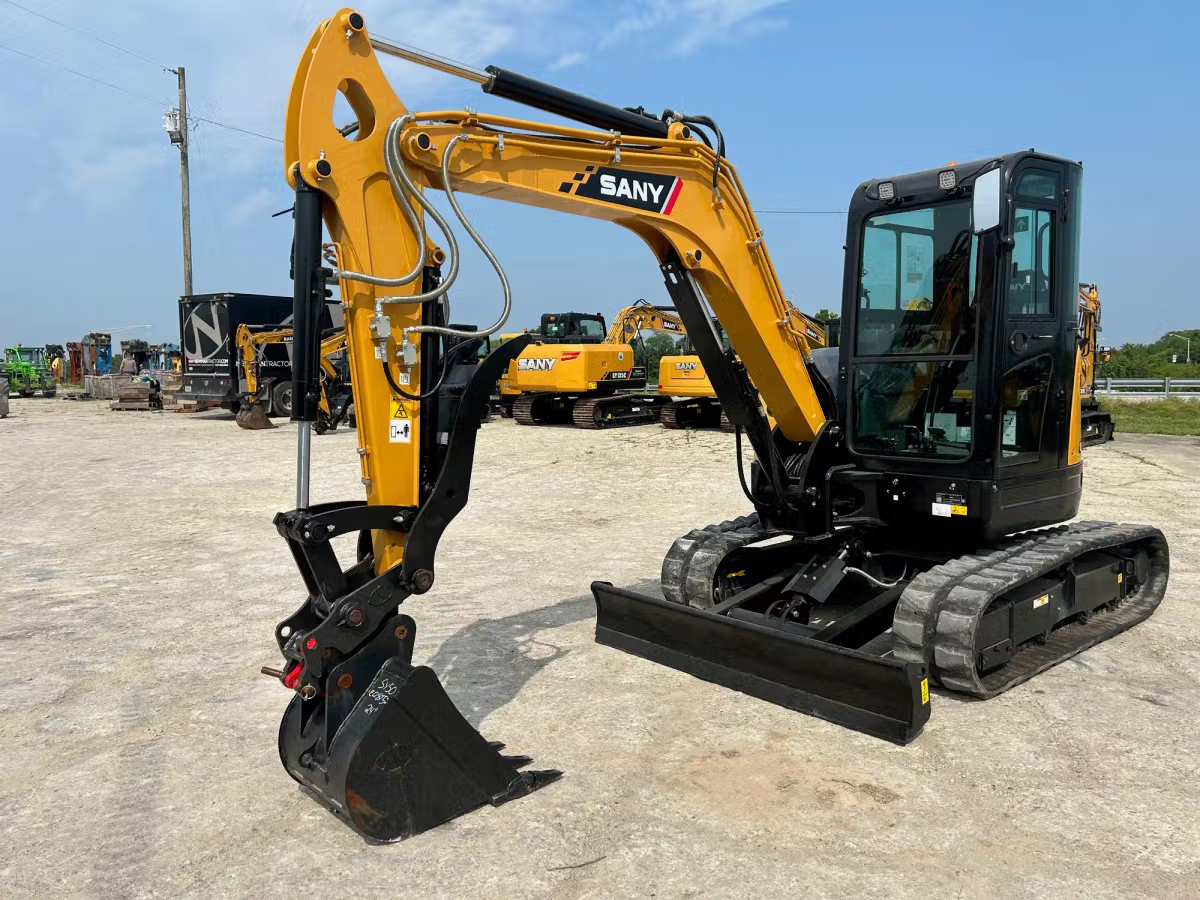
Mini excavator
📢 Heavy Equipment Sale Now On!
We’re offering high-quality heavy equipment — both new and used — at unbeatable prices! 🚜 All products are carefully inspected and ready for fast, reliable shipping.
🛠️ Please specify if you prefer new or used equipment when placing your order.
📦 Shop with confidence — quality and service guaranteed!
Description
Mini Excavator: The Compact Heavyweight That Gets the Job Done
When your project demands power, precision, and agility in tight spaces, a Mini Excavator is the ideal machine to rely on. Whether you’re a contractor, landscaper, or farmer, this compact yet powerful piece of equipment offers unmatched versatility for a wide range of applications.
In this article, we’ll dive deep into what makes mini excavators such indispensable tools — covering their key specifications, common uses, and why investing in one could be the smartest move for your business or personal projects.
What Is a Mini Excavator?
A mini excavator, also known as a compact excavator, is a small, versatile hydraulic machine designed to perform excavation and earthmoving tasks in confined or hard-to-reach areas. Typically weighing between 1 and 10 tons, mini excavators pack powerful digging capabilities into a frame small enough to access narrow job sites, urban backyards, and even indoor projects.
Thanks to their rubber tracks and compact design, mini excavators cause minimal surface damage, making them a favorite for landscaping and construction projects where preserving the environment is key.
Essential Specifications of Mini Excavators
Mini excavators come in various sizes and power classes, but here are the common features you should expect:
Operating Weight
Mini excavators range from lightweight models at about 1,000 kg (2,200 lbs) up to more heavy-duty versions around 10,000 kg (22,000 lbs). The right weight depends on your job scale and terrain.
Engine Power
Typically powered by diesel engines, these machines offer between 10 to 80 horsepower (HP), with modern engines designed for fuel efficiency and reduced emissions.
Digging Depth
Mini excavators dig anywhere from 1.5 meters (5 feet) to over 4.5 meters (15 feet), making them suitable for everything from shallow landscaping trenches to deeper foundation work.
Bucket Capacity
Buckets on mini excavators usually range between 0.02 to 0.25 cubic meters in volume, depending on the size and purpose. Versatile attachments extend functionality beyond simple digging.
Track Type
Rubber tracks are the norm, ensuring better traction and minimal ground disturbance. Track widths vary but typically range from 230 mm to 500 mm for balance between stability and compactness.
Swing Radius
Zero or minimal tail swing designs allow the machine to rotate in place without hitting surrounding obstacles, an essential feature when working in tight urban environments or alongside structures.
Hydraulic System
High-performance hydraulic systems provide smooth, precise control with flow rates typically between 30 to 80 liters per minute. This lets operators use multiple attachments efficiently.
Operator Comfort
Modern mini excavators include ergonomic seating, easy-to-use joystick controls, digital displays, and safety features like Roll-Over Protective Structures (ROPS) and Falling Object Protective Structures (FOPS).
Versatile Uses for Mini Excavators
Mini excavators are among the most flexible machines on any site. Their compact size and powerful hydraulics open doors to numerous applications:
1. Landscaping and Gardening
Ideal for digging holes for trees, planting shrubs, trenching for irrigation systems, and moving soil or mulch without damaging the surrounding area.
2. Residential Construction
Perfect for foundation digging, trenching for utilities, and site grading in tight spaces like backyards or narrow plots where larger machines can’t reach.
3. Utility Installation and Repair
Their ability to dig precise trenches makes mini excavators excellent for installing water, gas, and electrical lines in urban and suburban neighborhoods.
4. Small-Scale Demolition
With breaker attachments, mini excavators can efficiently handle the demolition of small structures, sidewalks, and driveways.
5. Agriculture
Farmers use mini excavators for digging irrigation ditches, clearing debris, installing fencing posts, and other land preparation tasks.
6. Snow Removal and Cleanup
Attachments like buckets and sweepers make these machines useful for clearing snow, debris, and leaves from properties and job sites.
Why Choose a Mini Excavator?
-
Compact & Maneuverable: Their small footprint allows work in cramped spaces inaccessible to larger equipment.
-
Multi-Functional: With a variety of attachments, mini excavators can dig, grade, lift, break, and more.
-
Cost-Efficient: They consume less fuel and require lower maintenance costs compared to full-size excavators.
-
Reduced Surface Damage: Rubber tracks minimize damage on paved surfaces, lawns, and delicate terrain.
-
Ease of Transport: Lightweight models can be transported on small trailers, saving time and money.
-
User-Friendly Operation: Modern controls and ergonomics reduce operator fatigue and improve precision.
Tips for Selecting the Right Mini Excavator
-
Project Requirements: Evaluate the size and complexity of your typical jobs to choose the appropriate operating weight and digging depth.
-
Attachments: Consider what tools you’ll need to operate and make sure the machine is compatible.
-
Terrain: If you work mostly on paved or delicate surfaces, rubber tracks are essential; for rough terrain, some steel track models may be better.
-
Budget: Factor in not just purchase price but also fuel efficiency, maintenance, and operator training costs.
-
Transportability: Confirm the machine’s size and weight are suitable for your transport options.
Mini Excavator Maintenance Best Practices
To ensure your mini excavator operates smoothly for years:
-
Change engine oil and hydraulic fluid regularly.
-
Inspect and clean the undercarriage and tracks frequently.
-
Grease all pivot points as per the manufacturer’s schedule.
-
Check hydraulic hoses for leaks or wear.
-
Keep the engine air filter clean.
-
Store in a dry, sheltered area when not in use.
-
Schedule periodic professional inspections.
Final Thoughts
A mini excavator is a compact yet mighty machine designed to tackle a multitude of tasks with precision and efficiency. Whether you’re landscaping, constructing, or farming, this versatile equipment can transform your workflow, boost productivity, and reduce labor demands.
Choosing the right mini excavator means balancing your project needs with machine capabilities. With proper maintenance and operation, your investment will serve you well, delivering consistent performance on site after site.
If you’re ready to upgrade your equipment or step into the world of compact excavation, a mini excavator offers unmatched value and flexibility in a small but powerful package.


