New Trends in Precision Agriculture Equipment for Smarter Farming
New Trends in Precision Agriculture Equipment for Smarter Farming (2025 Edition)
The agriculture industry is undergoing a major transformation, driven by the rapid advancement of precision agriculture technologies. With growing demands for higher productivity, sustainability, and efficiency, modern farmers are turning to smarter equipment and data-driven strategies to optimize their operations. In 2025, several cutting-edge trends are shaping the future of farming.
1. Autonomous Machinery and Robotics
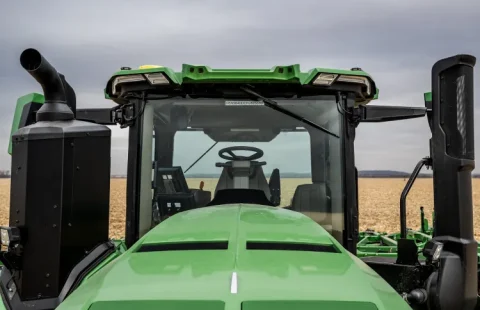
The rise of autonomous tractors, robotic planters, and self-guided harvesters is revolutionizing fieldwork. Major manufacturers like John Deere, Kubota, and Case IH are leading the charge with GPS-enabled autonomous equipment that reduces the need for human labor, ensures accurate coverage, and improves fuel efficiency.
Key Benefits:
-
24/7 operation
-
Labor cost reduction
-
Enhanced safety and precision
2. Drones for Aerial Mapping and Crop Monitoring
Drones have become a staple in precision farming. In 2025, these high-resolution aerial tools are more advanced than ever, providing real-time data on crop health, irrigation needs, pest infestations, and more.
Latest Innovations:
-
Multispectral imaging sensors
-
AI-powered anomaly detection
-
Automated flight scheduling for large-scale farms
3. Variable Rate Technology (VRT)
VRT continues to dominate smart farming by allowing farmers to apply inputs (seeds, fertilizers, pesticides) at variable rates based on specific field data. This not only saves resources but maximizes yield potential per square meter.
Uses of VRT Equipment:
-
Precision planters
-
Fertilizer spreaders
-
Smart irrigation systems
4. Smart Sensors and IoT Integration
Internet of Things (IoT) devices are making it easier to monitor everything on the farm—from soil moisture levels to machinery performance. These sensors connect with cloud-based platforms to deliver instant analytics, alerts, and recommendations.
Examples:
-
Soil nutrient sensors
-
Weather stations
-
Livestock health monitors
5. Data-Driven Decision Making
Big data and AI analytics are becoming integral to modern agriculture. Farmers now use software platforms that analyze weather trends, soil conditions, and past yield data to make smarter planting and harvesting decisions.
Top Platforms:
-
Climate FieldView
-
Trimble Ag Software
-
Ag Leader Technology
6. Electrification of Farm Equipment
Electric-powered tractors, harvesters, and utility vehicles are gaining traction in response to environmental concerns and rising fuel costs. Battery-powered machinery not only cuts emissions but also lowers operating costs in the long run.
Key Players:
-
Monarch Tractor
-
Solectrac
-
Fendt e100 Vario
7. Precision Irrigation Systems
Water management is more critical than ever, especially with climate variability. Smart irrigation systems use AI and real-time field data to deliver the right amount of water to each part of the field.
Technologies Include:
-
Drip irrigation with sensor controls
-
Remote-controlled pivot systems
-
Automated moisture monitoring
8. Blockchain for Supply Chain Transparency
Blockchain is emerging as a tool to ensure transparency and traceability in agricultural supply chains. From farm to fork, this technology helps track produce, verify sustainability claims, and ensure fair pricing.
Use Cases:
-
Tracking organic produce
-
Preventing counterfeit agro-products
-
Improving food safety
9. Livestock Management Technologies
Smart livestock equipment such as wearable trackers, automated feeders, and health monitoring apps help farmers optimize herd performance and detect issues early.
Examples:
-
Cow collars with GPS and biometric tracking
-
Automated milking systems
-
AI-based feed optimization
10. Integration of Augmented Reality (AR) for Training and Repairs
AR tools are now being used by farm equipment manufacturers to guide users through equipment operation, diagnostics, and repair. Farmers can view 3D models and step-by-step instructions via AR glasses or mobile devices.
Benefits:
-
Reduces downtime
-
Enhances training
-
Minimizes maintenance errors
Final Thoughts
Precision agriculture in 2025 is smarter, greener, and more connected than ever before. The integration of autonomous equipment, smart sensors, and AI-powered analytics allows farmers to produce more with less—less water, less fertilizer, and less effort.
Farmers and agricultural businesses that embrace these innovations will not only increase their yields but also contribute to a more sustainable and efficient food system.
Are you ready for the future of farming?